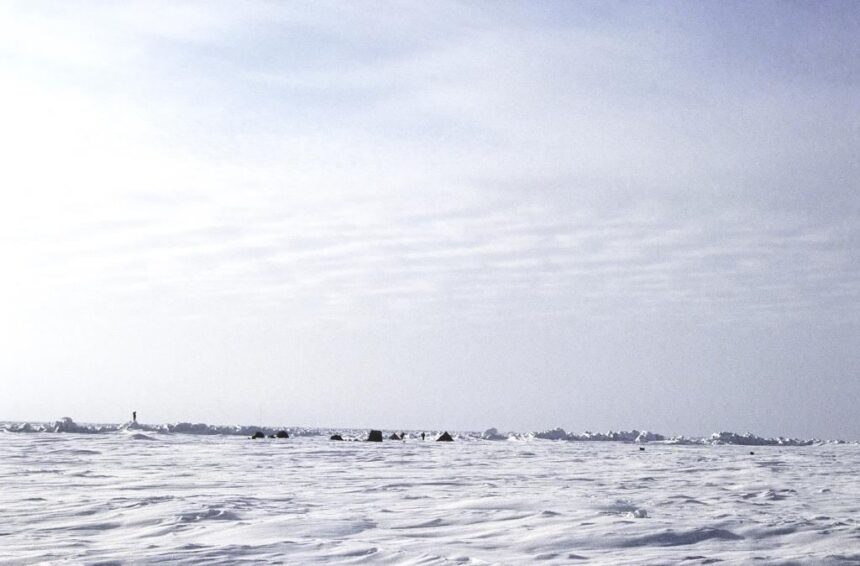
Microbes living inside Arctic sea ice are waking earlier each spring as thinner ice lets more sunlight reach the tiny brine channels where they survive the winter. These algae and bacteria form the base of the polar food web, feeding small crustaceans that in turn sustain fish, seals and birds. Field teams drilling ice cores have measured activity beginning weeks sooner than records from previous decades suggested, closely tracking the date when light levels cross a critical threshold. The shift sounds small, yet timing is everything in an ecosystem built around a brief productive season. If the microbes bloom before the animals that graze on them are ready, energy may sink unused to the seabed instead of moving up the food chain. Researchers combine satellite ice measurements with under ice robots carrying light and nutrient sensors to watch the awakening in real time. They also collect samples for genetic analysis, revealing which species respond first and which lag behind. Some organisms appear flexible, adjusting their internal clocks quickly, while others seem bound to temperature cues that change more slowly. Understanding that difference helps predict which parts of the food web face the greatest strain. The work adds biological detail to a story often told only in square kilometres of ice.
What the Evidence Shows
Long term monitoring sites across the Arctic are now coordinating their spring campaigns so results can be compared between regions with different ice histories. Scientists are particularly interested in the layer of algae that grows on the underside of the ice, visible as a golden brown film when cores are lifted into the light. That layer can be remarkably productive, and its early growth may partly compensate for shorter seasons in some places. Compensation has limits, however, because the ice platform itself eventually disappears, taking the habitat with it regardless of timing. Laboratory experiments expose cultures to controlled light and temperature combinations, separating which cue each species truly follows. The findings feed into ecosystem models used by fisheries and conservation planners who need seasonal forecasts, not just annual averages. Indigenous hunters and fishers contribute observations of animal condition and arrival times that instruments alone cannot provide. Researchers stress that earlier microbial growth is not simply good or bad news, but a reorganisation whose winners and losers must be identified honestly. Continued observation through the transition years, they argue, is exactly when the science is most valuable and most easily lost if funding drifts elsewhere. Reporting and analysis from sources such as National Science Foundation track the same developments, and specialists following Arctic ice microbial awakening say the direction is now consistent across independent lines of evidence.
The Wider Context
The wider context is a research landscape in which replication and open data now decide reputations. Findings connected to Arctic ice microbial awakening are being checked by independent groups with shared datasets, and the teams involved publish their methods in full so rivals can test every step. That discipline is slower than a headline cycle, but it is why results in this area increasingly survive first contact with scrutiny.
What Happens Next
What happens next in the story of Arctic ice microbial awakening will be decided by follow-up work already under way: larger samples, longer observation and instruments that have not yet come online. The researchers involved are unusually united on one point, that the current results justify the next investment of time and money. Readers will not have to wait long for the first tests of that claim. You can follow related developments in our coverage of science.