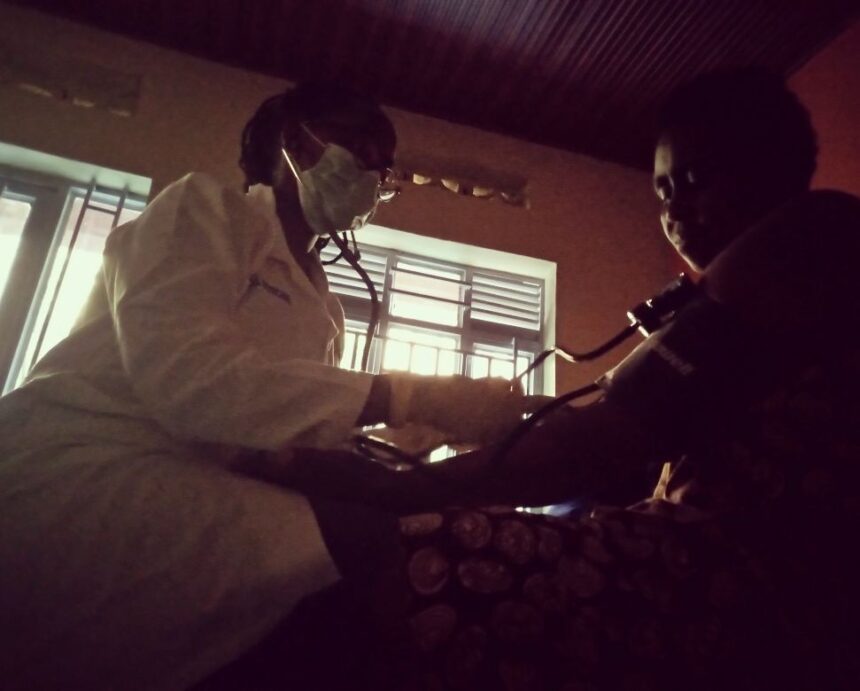
Community nursing teams are carrying out winter health checks in the homes of housebound patients, reaching people whose health is most at risk from cold weather and least visible to ordinary clinic services. A home visit allows a nurse to assess far more than a single symptom: blood pressure, temperature, breathing, skin condition, medicines and mobility can all be reviewed alongside the living conditions that shape health, such as heating, food supplies and whether the person can reach help quickly in an emergency. Many problems are caught at the stage where they are still easy to treat, including chest infections beginning quietly, dehydration in houses kept too cold for comfort and confusion caused by medicines interacting or doses being missed. Nurses also check that flu and other vaccinations are up to date, that repeat prescriptions cover the holiday period and that equipment such as walking aids and pressure relieving cushions still fits the patient’s current needs. For patients, being treated in their own surroundings reduces the exhaustion and infection risk of travelling to a clinic, while familiar surroundings make conversation easier and more honest. The visits reassure families too, especially relatives who live far away and worry through the winter months.
What the Evidence Shows
Health services plan these rounds carefully, prioritising patients recently discharged from hospital, those living alone with long term conditions and anyone whose carers have raised concerns. A visit works best when patients and families prepare a little: keeping medicines in one place, noting new symptoms or falls since the last contact and writing down questions prevents important details being forgotten in conversation. Nurses can arrange follow up from other services after a visit, including physiotherapy, dietetic advice, social care assessments and voluntary befriending for people whose isolation is itself harming health. They also teach simple warning signs, such as increasing breathlessness, reduced urination, sudden confusion or a leg wound that is not healing, so patients know when to call for help rather than waiting politely while a condition worsens. Relatives are encouraged to share observations, because the person who visits weekly often notices changes in appetite, mood or mobility before anyone else. Winter places the whole health system under pressure, yet these unhurried home visits prevent a share of the emergencies that would otherwise arrive by ambulance in the night, protecting patients and hospitals alike through the hardest weeks of the year. Reporting and analysis from sources such as World Health Organization track the same developments, and specialists following housebound winter health checks say the direction is now consistent across independent lines of evidence.
The Wider Context
The wider context is a health system trying to move from treating illness late to preventing it early, against budgets that reward the opposite. Evidence around housebound winter health checks is being weighed by guideline committees that ask two questions in order: does it work, and can ordinary services actually deliver it at scale. Many good ideas pass the first test and stall on the second.
What Happens Next
What happens next for housebound winter health checks depends on the slow machinery of guidelines, funding and training catching up with the evidence. Patients asking about it today should expect honest answers that include uncertainty, and clinicians say a service that explains what is not yet known earns more trust than one that oversells. The research pipeline, at least, is moving in the right direction. You can follow related developments in our coverage of health.
There is a practical lesson in all of this for readers deciding what to do today. Start with the verified facts, be wary of anyone promising certainty, and prefer reversible steps while the evidence is still developing. Circumstances differ by country, income and personal situation, so general guidance should always be weighed against your own context before you act on it in any significant or lasting way.