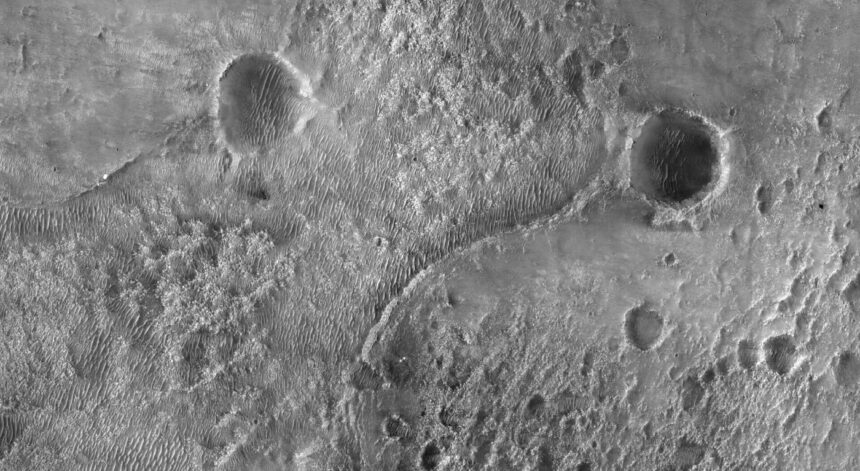
On Mars, wind is a powerful geological force in a thin atmosphere, moving sand into ripples and dunes, polishing exposed rock and occasionally lifting dust into storms that can spread across whole regions. Planetary scientists study those moving sediments because they reveal how the modern Martian climate works, and because dust can bury, expose or alter surface features that record much older conditions. Orbiters track dune movement year by year, while rovers examine grains at close range, measuring their size, composition and the small changes left after passing winds. Together, those views connect weather on a single afternoon with landscape changes that unfold over decades across the red planet’s deserts and crater floors. Dust also changes the Martian sky itself, scattering sunlight into a butterscotch haze that can persist for weeks, cooling the surface by day and altering temperatures at night in ways that orbiting instruments can measure across an entire hemisphere.
What the Evidence Shows
Large dust storms also matter for future exploration, since airborne dust reduces sunlight for solar-powered equipment, coats surfaces and can affect visibility and temperature. Engineers therefore want better forecasts of when regional storms grow and how long they persist, using the same orbital records that interest geologists. For scientists reconstructing Mars history, the challenge is to separate fresh wind-blown deposits from ancient lake and river sediments underneath. That careful layering work is slow, but it is how a dry, cold world gradually gives up its story, showing that even a planet without rain today is still being actively shaped by its atmosphere. By watching the same dune fields return to view after each storm season, scientists build a picture of prevailing winds over geological time, effectively reading the planet’s weather history from patterns written slowly into its sand and dust. Reporting and analysis from sources such as NASA track the same developments, and specialists following martian dust storms say the direction is now consistent across independent lines of evidence.
The Wider Context
Funding bodies are watching martian dust storms closely because the work sits at the junction of basic curiosity and practical return. Grant panels increasingly ask for a path from discovery to application, while researchers push back that the most valuable uses of fundamental science are rarely the ones written into the original proposal. The tension is productive when both sides stay honest about timescales.
What Happens Next
The long view on martian dust storms is that fields advance by accumulation rather than by single announcements. This result adds a solid, checkable piece to a structure many teams are building, and its authors have shared their data so the piece can be tested from every side. That is how the picture eventually becomes reliable enough to act on. You can follow related developments in our coverage of science.
It is also worth remembering how quickly the picture in this area has changed before. Positions that looked settled a few years ago have been revised as new data arrived, and the same humility is appropriate now. The strongest coverage of this subject, and the most useful advice, tends to come from sources that update their views openly when the facts move, rather than defending an earlier position long after it has stopped fitting the evidence available.