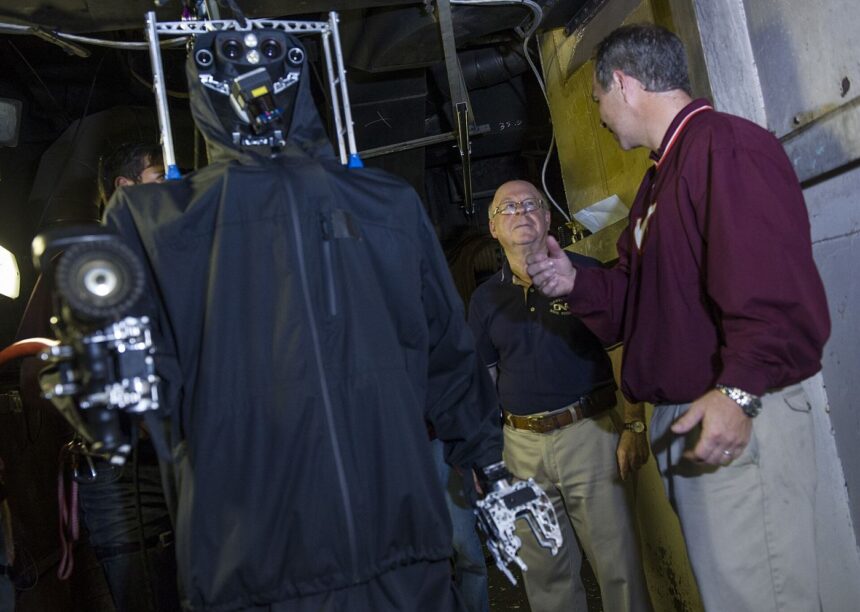
Humanoid robots are being put through demanding real world tests in research laboratories, moving beyond polished demonstrations to messier, everyday tasks. Engineers set them to open doors, carry boxes, sort objects, and recover their balance when floors are uneven or items shift unexpectedly. The goal is not a robot that looks human for its own sake, but machines that can work in spaces designed for people, using the same stairs, shelves, and tools. Progress is uneven, and tasks that look simple often expose weaknesses in perception, grip, and decision making that controlled showcases tend to hide. Independent reviewers increasingly attend these sessions, providing a useful check on company claims and a clearer public picture of what the technology can and cannot do today.
What the Evidence Shows
Testing teams record every failure carefully, treating dropped objects and wrong turns as data that improve the next version of the software or hardware. Safety is a constant focus, with robots programmed to slow or stop when people approach unexpectedly. Researchers debate how soon such machines belong outside laboratories, noting that cost, battery life, and reliability still limit wider use. Factories and warehouses with structured layouts are likely early settings, long before homes. Even so, each testing season shows steadier walking, more capable hands, and better responses to spoken instructions, suggesting steady rather than sudden change. For now, most experts counsel patience, describing humanoid robots as a long term research direction whose most useful near term contributions may be components and software adopted by simpler machines. Reporting and analysis from sources such as IEEE Spectrum track the same developments, and specialists following humanoid robots in laboratory testing say the direction is now consistent across independent lines of evidence.
The Wider Context
Adoption of humanoid robots in laboratory testing follows a familiar pattern with an unfamiliar speed. Early users tolerate rough edges in exchange for advantage, mainstream users arrive when the tool disappears into existing workflows, and the market consolidates around whoever made that transition feel effortless. Vendors are racing less on raw performance now than on integration, support and trust.
What Happens Next
The realistic forecast for humanoid robots in laboratory testing is steady integration rather than sudden replacement: embedded in products people already use, improving in increments, and regulated in proportion to its reach. The companies and institutions that plan on that basis, training staff and redesigning processes instead of chasing launches, are the ones the adoption data tends to vindicate. You can follow related developments in our coverage of technology.
It is also worth remembering how quickly the picture in this area has changed before. Positions that looked settled a few years ago have been revised as new data arrived, and the same humility is appropriate now. The strongest coverage of this subject, and the most useful advice, tends to come from sources that update their views openly when the facts move, rather than defending an earlier position long after it has stopped fitting the evidence available.