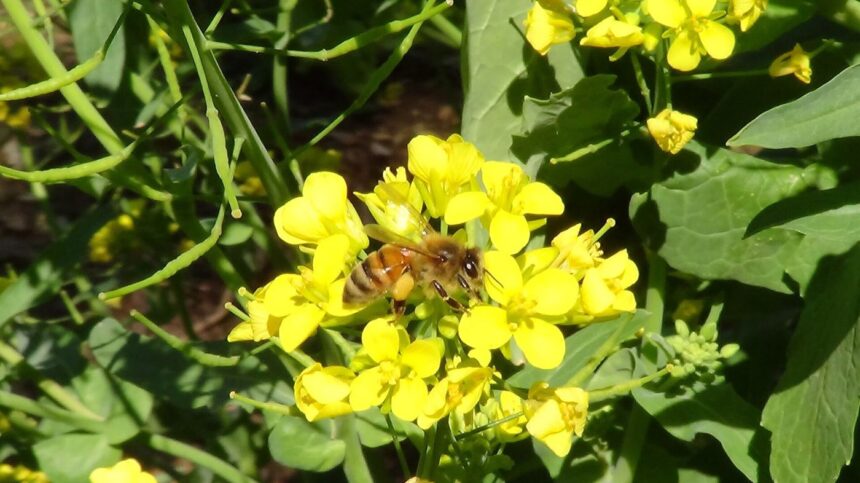
Cities are often described as ecological deserts, but patient observation of urban gardens, allotments and roadside planting tells a busier story. Ecologists who recorded insect visits to flowers across several city neighbourhoods found wild bees, hoverflies and other pollinators arriving far more frequently than expected, sometimes rivalling numbers seen in nearby countryside sites. The key difference was not the size of green space but its variety: places offering flowers from early spring through late autumn, plus undisturbed corners for nesting, supported the richest communities. Lawns cut less often, flowering herbs and patches of bare soil all played a part. The study also found that different pollinator species favoured different plants, so a genuinely diverse planting scheme spread visits across the whole season rather than serving a single group for a few weeks. Researchers identified many insects directly in the field and used careful photography for the rest, building a picture of which urban habitats quietly sustain pollination for garden crops and wild plants alike.
What the Evidence Shows
The findings carry practical advice for councils and gardeners who want to help pollinators without large budgets. Leaving a strip of grass uncut, planting successive waves of simple open flowers and avoiding routine pesticide use cost little, yet together they address food, shelter and safety at once. Community groups involved in the study are now mapping their neighbourhoods to find gaps where a few planters or a changed mowing schedule could connect isolated habitats into corridors. Scientists caution that cities will not replace lost countryside habitat, and some specialist species still decline because their particular host plants or nesting conditions are absent. Urban refuges are best seen as one part of a wider recovery that includes farmland and nature reserves. Still, the work reframes millions of small private gardens and public corners as meaningful conservation infrastructure. When residents see bees working their own flowers and understand why, support for protecting pollinators in the wider landscape tends to grow alongside the plants. Reporting and analysis from sources such as NASA track the same developments, and specialists following wild pollinators visiting flowers in city gardens say the direction is now consistent across independent lines of evidence.
The Wider Context
Funding bodies are watching wild pollinators visiting flowers in city gardens closely because the work sits at the junction of basic curiosity and practical return. Grant panels increasingly ask for a path from discovery to application, while researchers push back that the most valuable uses of fundamental science are rarely the ones written into the original proposal. The tension is productive when both sides stay honest about timescales.
What Happens Next
The long view on wild pollinators visiting flowers in city gardens is that fields advance by accumulation rather than by single announcements. This result adds a solid, checkable piece to a structure many teams are building, and its authors have shared their data so the piece can be tested from every side. That is how the picture eventually becomes reliable enough to act on. You can follow related developments in our coverage of science.
It is also worth remembering how quickly the picture in this area has changed before. Positions that looked settled a few years ago have been revised as new data arrived, and the same humility is appropriate now. The strongest coverage of this subject, and the most useful advice, tends to come from sources that update their views openly when the facts move, rather than defending an earlier position long after it has stopped fitting the evidence available.