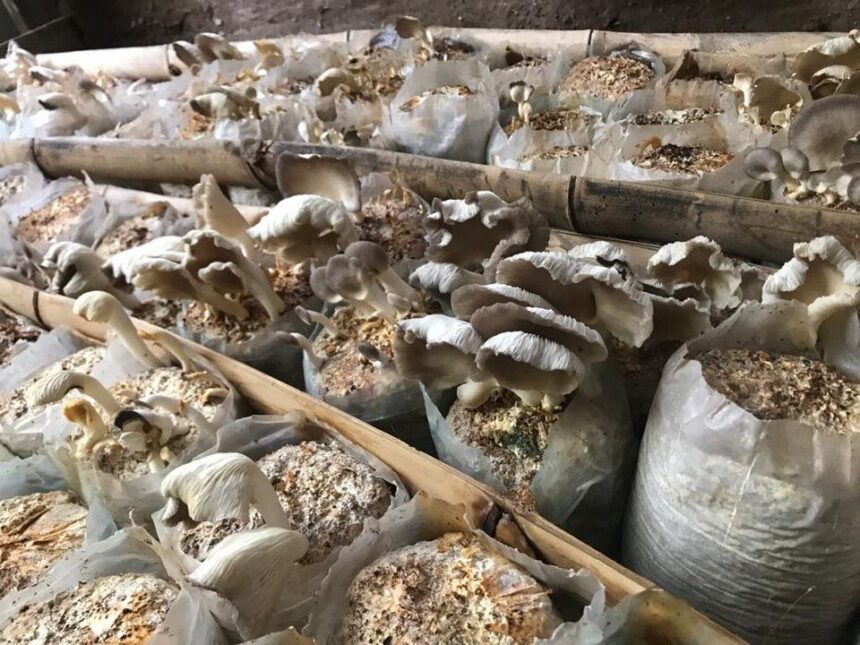
Waste carbon dioxide can be turned into edible fungal protein, according to a new electro-biomanufacturing platform reported in the week of 14 to 21 November 2026. The system uses electricity to convert captured carbon dioxide into food, producing a fungal protein that was about 48.5 percent of the output in the reported work. The approach is part of a growing effort to make food without farmland, using microbes and fungi fed on gases and electricity instead of crops. Traditional protein production needs land, water and fertiliser, and it produces large amounts of greenhouse gas, so a process that eats carbon dioxide instead could cut emissions twice over. The researchers say the platform shows that waste gas can become a useful raw material for food rather than a pollutant to be buried or released.
What the Evidence Shows
The platform works by linking an electrochemical step, which turns carbon dioxide into simpler molecules, with a biological step in which fungi convert those molecules into protein-rich biomass. Fungal protein is already sold as a meat substitute in several countries, so the product has a clear path to the dinner table if it can be made cheaply and safely. The researchers say the key challenge now is scaling up the process and proving that the protein is nutritious and safe to eat in large amounts. The work was highlighted among forty-one peer-reviewed studies in a weekly science roundup covering 14 to 21 November 2026. If the technology matures, it could supply protein in places with little farmland, and it could give heavy industry a reason to capture its carbon dioxide rather than venting it into the sky. Reporting and analysis from sources such as NASA track the same developments, and specialists following the carbon dioxide to fungal protein platform say the direction is now consistent across independent lines of evidence.
The Wider Context
Funding bodies are watching the carbon dioxide to fungal protein platform closely because the work sits at the junction of basic curiosity and practical return. Grant panels increasingly ask for a path from discovery to application, while researchers push back that the most valuable uses of fundamental science are rarely the ones written into the original proposal. The tension is productive when both sides stay honest about timescales.
What Happens Next
The long view on the carbon dioxide to fungal protein platform is that fields advance by accumulation rather than by single announcements. This result adds a solid, checkable piece to a structure many teams are building, and its authors have shared their data so the piece can be tested from every side. That is how the picture eventually becomes reliable enough to act on. You can follow related developments in our coverage of science.
It is also worth remembering how quickly the picture in this area has changed before. Positions that looked settled a few years ago have been revised as new data arrived, and the same humility is appropriate now. The strongest coverage of this subject, and the most useful advice, tends to come from sources that update their views openly when the facts move, rather than defending an earlier position long after it has stopped fitting the evidence available.