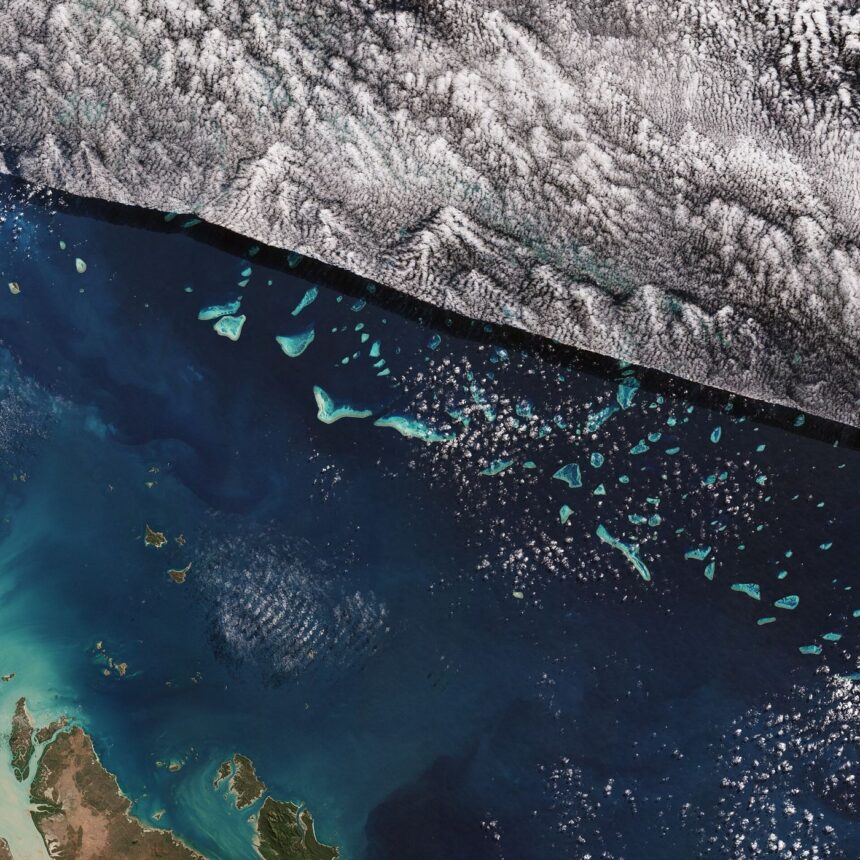
The worst coral bleaching event ever recorded has finally come to an end. The United States National Oceanic and Atmospheric Administration, known as NOAA, confirmed the fourth global coral bleaching event in April 2024, and has now determined that it likely concluded in mid-2025. Between early 2023 and mid-2025, bleaching-level heat stress affected about 84 percent of the world’s coral reef area, across all three tropical ocean basins, with mass bleaching documented in at least 83 countries and territories. The previous record event, from 2014 to 2017, affected about 68 percent of reef area. The event was driven by record ocean temperatures, intensified by the strong El Nino of 2023 and 2024, and it prompted NOAA to add three new categories to its bleaching alert scale because the heat stress exceeded anything the old scale could describe.
What the Evidence Shows
Bleaching happens when warm water stresses corals so much that they expel the tiny algae living in their tissues, losing both their colour and their main source of food. If the stress is brief, corals can recover; if it lasts, they starve and die. Reefs matter far beyond their beauty: they support about a quarter of all marine species and provide food, income and coastal protection for around 500 million people. Scientists warn that the end of this event is not the end of the threat. The underlying ocean warming continues, and NOAA has warned that the expected return of El Nino could bring widespread bleaching back within months. The long-term answer remains cutting greenhouse gas emissions, but researchers are also working on faster help, from breeding heat-tolerant corals to restoring damaged reefs, to buy these ecosystems time. Reporting and analysis from sources such as National Science Foundation track the same developments, and specialists following global coral bleaching event say the direction is now consistent across independent lines of evidence.
The Wider Context
The wider context is a research landscape in which replication and open data now decide reputations. Findings connected to global coral bleaching event are being checked by independent groups with shared datasets, and the teams involved publish their methods in full so rivals can test every step. That discipline is slower than a headline cycle, but it is why results in this area increasingly survive first contact with scrutiny.
What Happens Next
What happens next in the story of global coral bleaching event will be decided by follow-up work already under way: larger samples, longer observation and instruments that have not yet come online. The researchers involved are unusually united on one point, that the current results justify the next investment of time and money. Readers will not have to wait long for the first tests of that claim. You can follow related developments in our coverage of science.
There is a practical lesson in all of this for readers deciding what to do today. Start with the verified facts, be wary of anyone promising certainty, and prefer reversible steps while the evidence is still developing. Circumstances differ by country, income and personal situation, so general guidance should always be weighed against your own context before you act on it in any significant or lasting way.