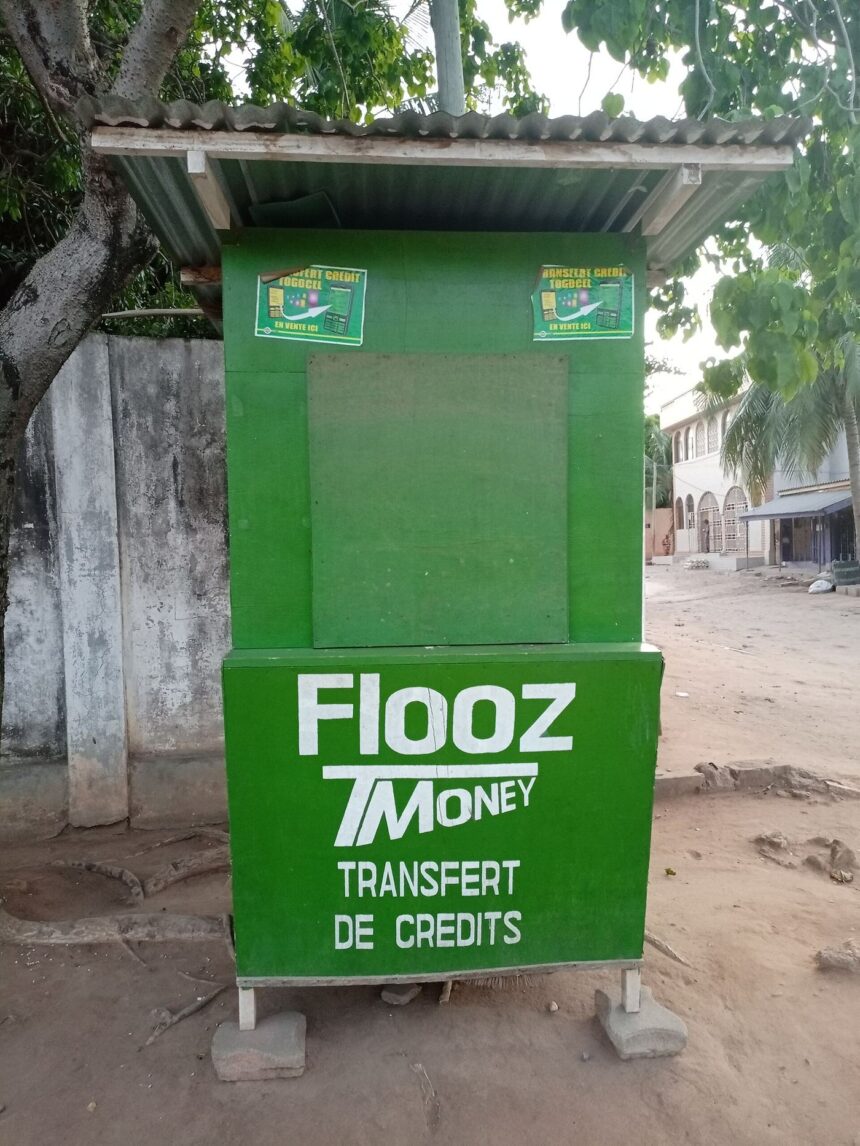
In the markets of Douala, the most important piece of financial infrastructure is not a bank branch. It is a kiosk with a hand-painted sign, a charged phone, and a float of electronic money. Mobile money has become the default wallet across Cameroon and much of Central Africa, used to pay traders, split taxi fares, receive wages, and move remittances from the diaspora to family villages in minutes.
The scale of the shift is easy to underestimate from outside. Formal bank account ownership in the region remains low, held back by distance, documentation requirements and minimum balances. Mobile money skipped the branch entirely, building its network on airtime sellers and market agents instead. For a trader, the phone is now till, ledger and bank in one, and the working day is organised around it. We track this transformation in our finance coverage as it deepens into credit and insurance.
From payments to a financial system
The first wave was transfers. The second wave, now well advanced, is everything built on top of them: transaction histories that substitute for credit records, micro-loans approved in minutes, savings products that let a market woman lock away small sums daily, and merchant tools that formalise businesses which previously existed entirely in cash. The World Bank has documented how digital financial services expand inclusion most where agent networks are dense and interoperability lets customers transact across providers.
The agent is the bank
Every account of this system eventually arrives at the agent: the kiosk keeper who converts cash to electronic value and back, thousands of times a day, on margins of pennies. Agent density is destiny in mobile money; a network is only as trustworthy as the nearest kiosk’s float. Operators have learned to support agents with credit lines, float-management tools and branding that signals reliability from across a crowded market.
It is worth pausing on the employment fact alone: the agent networks constitute one of the largest retail workforces in the region, a distributed human infrastructure that no branch network ever built.
The frictions that remain
The system’s weaknesses are equally concrete. Transaction taxes in several countries have pushed some trade back into cash. Network outages strand money at the worst moments. Fraud, especially social-engineering scams targeting new users, erodes trust that took years to build, and agent liquidity, the kiosk that has run out of cash or float, remains the daily frustration of the whole model.
None of this reverses the direction. A generation in Central Africa has now organised its economic life around the phone wallet, and every bank, fintech and finance ministry in the region is building on that fact rather than against it.
Ask the traders themselves and the verdict is practical rather than poetic: the phone wallet saves the journey, saves the day, and increasingly, it is where the savings live too.