Evaluating Eco-Friendly Luxury Properties
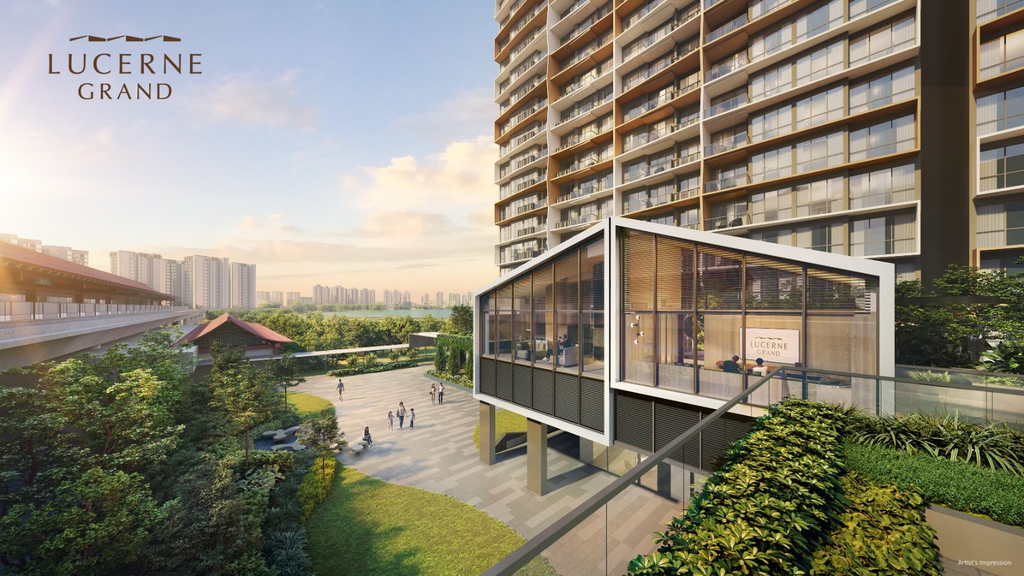
Evaluating eco-friendly properties requires a sharp eye for sustainable design and long-term efficiency. Modern developments like the Lucerne Grand lead the market by integrating smart environmental technologies directly into their architectural blueprints. When buyers compare high-end residential projects, they often weigh these sustainable elements against traditional luxury standards. Understanding how to assess these green features helps you make an environmentally conscious investment that also reduces future utility costs. Properties like the Thomson Reserve showcase how developer commitments to green building certifications translate into daily energy savings. By analyzing specific criteria, you can verify whether a property delivers genuine sustainability or merely superficial marketing.
Assessing Energy Efficiency and Smart Grid Integration
To determine the true sustainability of a luxury development, start by analyzing its energy consumption framework. Premier properties often utilize smart grids and advanced solar arrays to minimize reliance on local fossil-fuel networks. When inspecting the Lucerne Grand, look closely at the HVAC specifications and the insulation ratings of the exterior windows. High-performance double or triple-glazed windows prevent thermal transfer, keeping interiors comfortable without overworking the climate control systems.
Evaluating Solar and Smart Automation
Additionally, check if the building features automated energy management systems. These systems track consumption patterns in real-time and dim lighting or adjust temperatures in unoccupied common areas. A truly green development installs smart thermostats in every residence, allowing occupants to monitor their carbon footprint directly. Ask the developer for the projected Energy Use Intensity (EUI) rating of the building. A lower EUI indicates a highly efficient structure that will protect you from rising energy costs while reducing greenhouse gas emissions. Look for Energy Star-rated appliances integrated into the kitchen designs, as these units consume up to 50 percent less electricity than standard models. Individual sub-metering for electricity and water also ensures residents pay only for what they use, which encourages mindful resource consumption throughout the community.
Water Conservation and Greywater Recycling Systems
Water scarcity makes efficient water management a crucial pillar of modern sustainable architecture. When examining a property like the Thomson Reserve, investigate how the development handles wastewater and rainwater. Leading green projects install comprehensive greywater recycling systems that collect water from sinks and showers, filter it, and reuse it for landscape irrigation and toilet flushing. This system reduces overall municipal water demand by up to 40 percent.
Low-Flow Fixtures and Native Landscaping
Inside the residences, examine the plumbing fixtures. High-efficiency toilets, low-flow aerated faucets, and smart showerheads maintain excellent water pressure while dramatically cutting consumption. Beyond the indoor fixtures, evaluate the outdoor landscaping strategy. Sustainable developments prioritize native plant species that thrive in the local climate without excessive watering. Drip irrigation systems, guided by soil moisture sensors, ensure that plants receive water only when necessary, preventing wasteful runoff. Ask if the development utilizes rainwater harvesting tanks. These collection systems store stormwater runoff from the roofs, which can then be used to maintain the lush green common areas. Integrated leak detection sensors further protect the building from hidden water damage and wasteful leaks, securing long-term structural integrity.
Analyzing Sustainable Building Materials and Indoor Air Quality
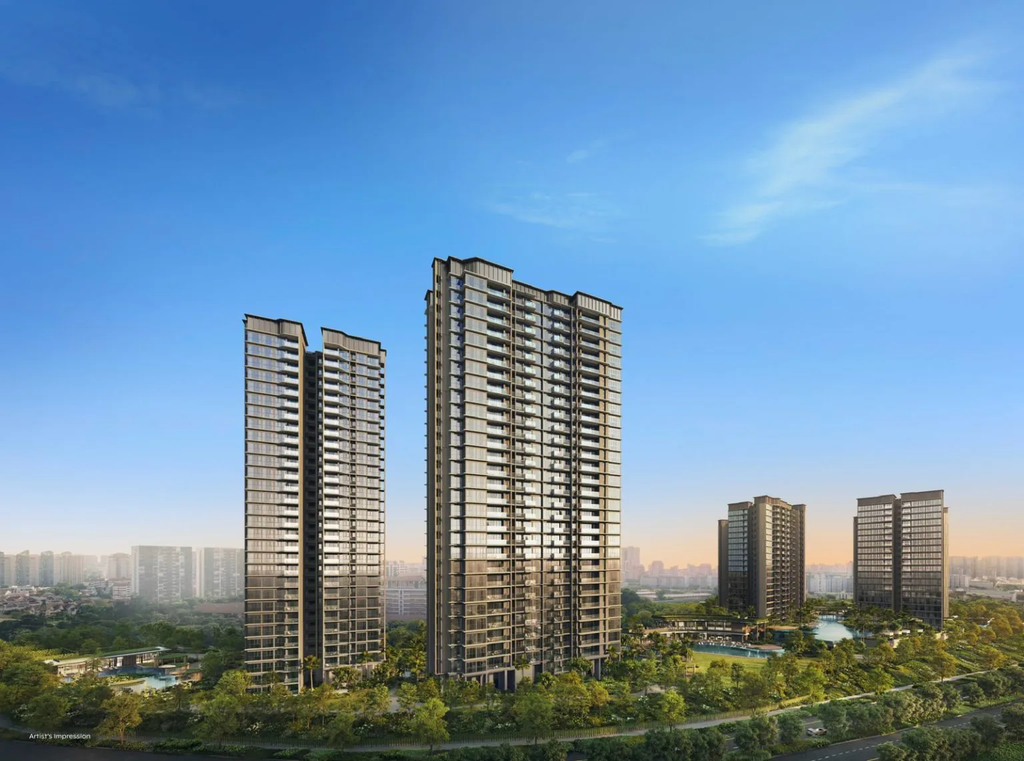
The materials used during construction dictate both the environmental impact of the building and the health of its occupants. When touring the Lucerne Grand, request a list of the construction materials to verify their origins and ecological footprint. Eco-conscious developers source local, rapidly renewable materials such as bamboo flooring, recycled steel, and certified sustainable timber. Utilizing local materials reduces transportation emissions and supports the regional economy.
Indoor Air Quality and Low-VOC Finishes
Indoor air quality directly affects your daily well-being, making it a vital component of green living. Ensure the developer used low-VOC (volatile organic compound) paints, adhesives, and sealants throughout the interior spaces. Standard building materials often off-gas harmful chemicals for years, degrading indoor air quality and causing respiratory issues. Additionally, check the building’s ventilation systems. High-quality green developments install Energy Recovery Ventilators (ERVs) that continuously bring in fresh outdoor air while pre-conditioning it using the energy of the outgoing stale air. This process maintains optimal humidity levels and filters out common allergens and pollutants. Ask if the walls incorporate natural insulation materials like recycled denim or sheep’s wool, which provide superior thermal performance without the toxic chemicals found in traditional fiberglass insulation.
Evaluating Green Certifications and Long-Term Value
Independent green certifications provide third-party validation of a property’s environmental claims, helping you cut through marketing hype. When assessing the Thomson Reserve, check for recognized credentials such as LEED (Leadership in Energy and Environmental Design), Green Mark, or BREEAM ratings. These certifications require rigorous documentation and physical inspections to prove the building meets strict global standards for energy efficiency, water conservation, and indoor environmental quality.
The Financial Benefits of Green Certifications
A certified green building often commands higher resale values and attracts quality tenants who prioritize sustainability. Beyond environmental benefits, certified buildings qualify for lower insurance premiums and favorable green mortgage rates from major financial institutions. Review the developer’s historical performance and their commitment to maintaining these green standards post-occupancy. Ask for the building’s operations and maintenance plan to ensure the green systems will be regularly serviced and optimized. Efficient solar panels, smart HVAC units, and greywater systems require specialized maintenance to operate at peak performance over their lifespan. Investing in a property with verified certifications guarantees that the integrated green features will continue to deliver financial and environmental dividends for decades to come, safeguarding your real estate portfolio.
Conclusion
Evaluating the green features of luxury developments requires looking past aesthetic appeal to analyze core engineering and material choices. By focusing on energy efficiency, smart water management, sustainable building materials, and recognized environmental certifications, you can make an informed investment decision. Properties that implement these advanced green technologies offer superior living comfort, lower utility bills, and higher long-term market value. Taking the time to verify these sustainable elements ensures your home supports a healthier lifestyle and contributes to a cleaner environment. Prioritizing these standards helps you secure a modern residence that stands the test of time and aligns with global sustainability goals.