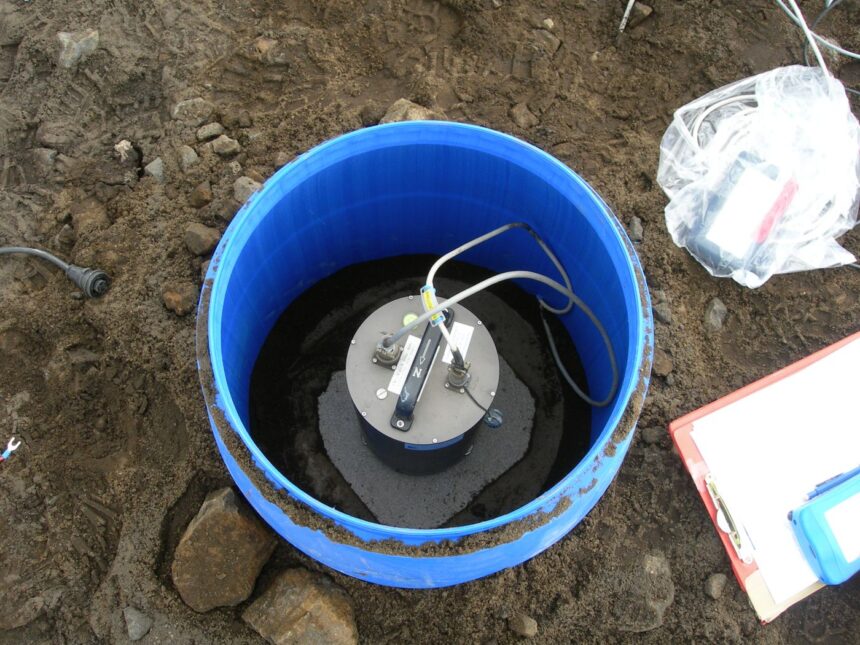
Earthquakes strike without warning, yet the ground itself gives a small head start to anyone listening closely. When a fault slips, it sends out fast, weak tremors first, followed seconds later by the slower, stronger shaking that causes damage. A network of sensors can detect those first tremors, work out where the quake began and how strong it might become, and send an alert to phones, schools and train operators before the heavy shaking arrives. Even a few seconds is enough to duck under a desk, stop a train, shut down a gas line or step away from a window. Several countries have built such systems along their most dangerous faults, and they have already warned millions of people during real quakes. The technology is not a prediction system, since no one can say when a quake will happen, but it turns the physics of seismic waves into precious time.
What the Evidence Shows
Building a warning system takes more than sensors. The instruments must be dense enough to catch the first tremors quickly, the computers must decide within a second or two whether an alert is warranted, and the message must reach people through phones, radio and public sirens without delay. False alarms are a real risk, since a warning that cries wolf too often will be ignored, so engineers tune the system to balance speed against accuracy. In some regions, the network also uses the sensors inside ordinary smartphones, turning millions of devices into a vast, low-cost detection grid. The approach is spreading, with new systems being tested in cities that sit near active faults. For people living in earthquake country, those few seconds of warning can make a genuine difference. Every second gained is a second that can save lives. Reporting and analysis from sources such as NASA track the same developments, and specialists following the earthquake sensors giving cities seconds of warning say the direction is now consistent across independent lines of evidence.
The Wider Context
Funding bodies are watching the earthquake sensors giving cities seconds of warning closely because the work sits at the junction of basic curiosity and practical return. Grant panels increasingly ask for a path from discovery to application, while researchers push back that the most valuable uses of fundamental science are rarely the ones written into the original proposal. The tension is productive when both sides stay honest about timescales.
What Happens Next
The long view on the earthquake sensors giving cities seconds of warning is that fields advance by accumulation rather than by single announcements. This result adds a solid, checkable piece to a structure many teams are building, and its authors have shared their data so the piece can be tested from every side. That is how the picture eventually becomes reliable enough to act on. You can follow related developments in our coverage of science.
It is also worth remembering how quickly the picture in this area has changed before. Positions that looked settled a few years ago have been revised as new data arrived, and the same humility is appropriate now. The strongest coverage of this subject, and the most useful advice, tends to come from sources that update their views openly when the facts move, rather than defending an earlier position long after it has stopped fitting the evidence available.